Hockey stands out as one of the most thrilling and dynamic sports in the world, captivating audiences with its speed, skill, and strategic depth. Yet, at the heart of this exhilarating game lies a complex framework of rules and regulations designed to maintain fairness and enhance the competitive spirit. For players, coaches, and fans alike, a solid understanding of these rules is essential for enjoying and participating in the sport. This article delves into the key components of hockey rules, including gameplay mechanics, field and rink dimensions, scoring systems, penalties, required equipment, and the responsibilities of officials.
Understanding Gameplay Mechanics
At its essence, hockey is a team sport played between two competing sides, with the ultimate goal of scoring more points than the opponent by directing a puck or ball into the opposing team’s net. While the objective appears simple, the intricacies of gameplay and rules add layers of complexity and excitement. Each version of hockey—ice and field—has its own unique set of gameplay characteristics, but the foundational principles remain consistent.
Dimensions of the Playing Surface
A crucial aspect of hockey involves understanding the dimensions of the playing surface, which significantly influences gameplay strategies.
Field Hockey: A standard field hockey pitch measures 100 yards long (approximately 91.4 meters) and 60 yards wide (about 55 meters). The field is marked with various lines that denote specific areas, including the 25-yard line and the shooting circle. These markings are essential for determining player positioning, offensive strategies, and scoring opportunities.
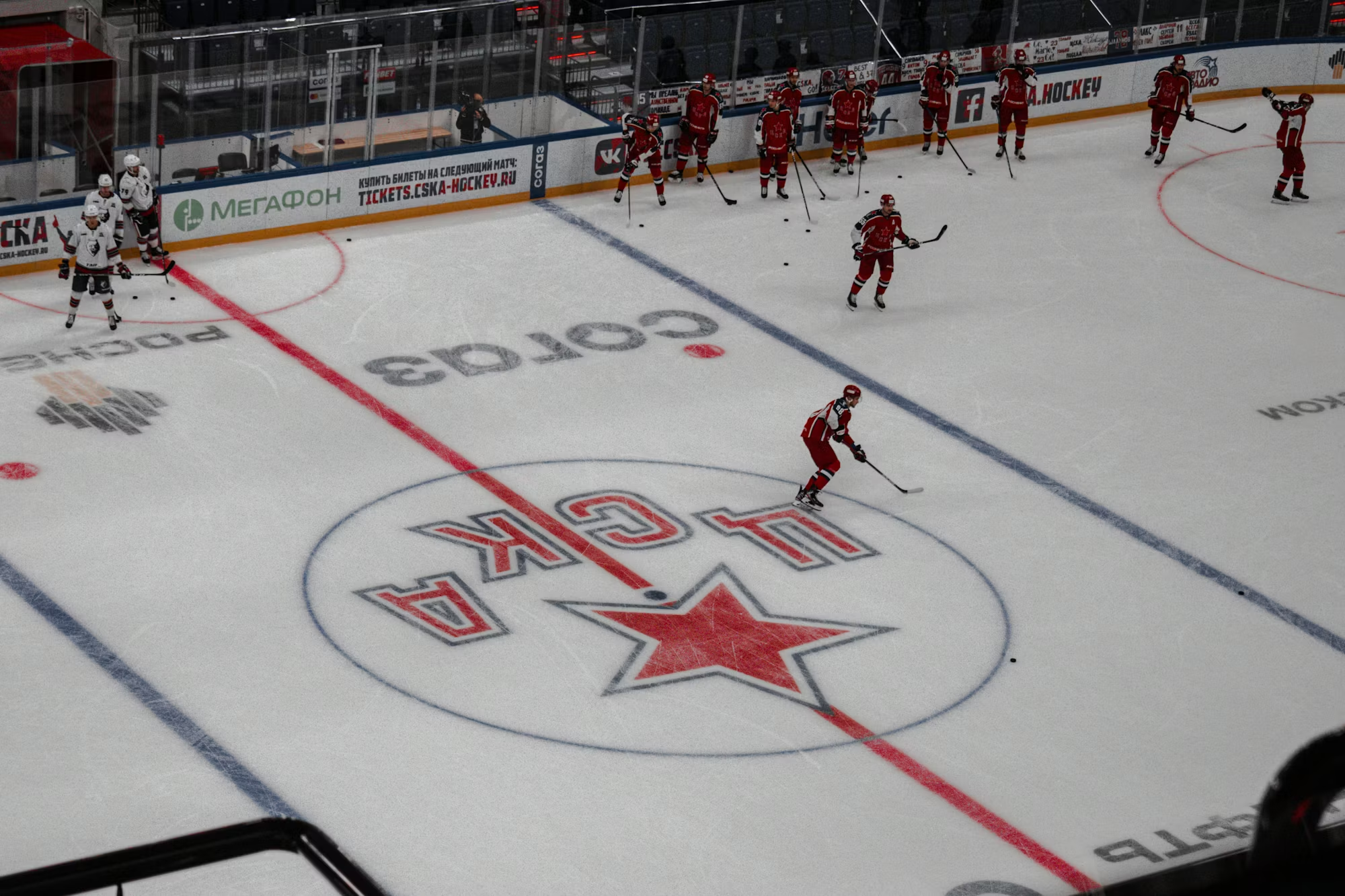
Ice Hockey: The ice hockey rink measures 200 feet in length (approximately 61 meters) and 85 feet in width (about 26 meters). The rink is bordered by boards and features markings such as blue lines and a center red line, which define the offensive and defensive zones. The dimensions of the rink encourage fast-paced movement and quick decision-making, making spatial awareness critical for players.
Scoring in Hockey
Scoring is the central objective in both ice and field hockey, though the conditions for scoring vary.
– Ice Hockey: A goal is awarded when the puck completely crosses the goal line, which is located between the posts and beneath the crossbar. Players can score from various positions on the rink, but shots taken from within the opponent’s zone are typically more effective. Each goal counts as one point, and the team with the most goals at the end of the game emerges victorious.
– Field Hockey: In field hockey, a goal is scored when the ball crosses the goal line, but it must be struck from within the shooting circle for it to be valid. This rule introduces a layer of strategy as players must work together to create scoring chances while maintaining control over the ball.
Penalties and Infractions
Hockey rules are designed not only to encourage competitive play but also to ensure player safety. As such, specific penalties are assigned to various infractions to discourage unsportsmanlike behavior.
Ice Hockey Penalties: Common penalties include tripping, slashing, and high-sticking. Players who commit these fouls can receive either a minor or major penalty. A minor penalty results in two minutes in the penalty box, during which the offending player’s team must play short-handed. A major penalty can last up to five minutes, allowing the opposing team a substantial opportunity to capitalize on a power play.
Field Hockey Penalties: In field hockey, fouls can result in free hits or penalty corners, depending on the severity of the infraction. A penalty corner is a significant opportunity for the attacking team, providing a chance to take a shot on goal from a designated spot, often leading to intense moments of gameplay.
Essential Equipment for Players
Both ice and field hockey require players to wear specific equipment designed to enhance performance while ensuring safety. While the equipment varies between the two sports, several key items are common across both.
– Ice Hockey Gear:
– Helmet: Essential for protecting against head injuries.
– Shoulder Pads: Protect the upper body from physical impacts during play.
– Elbow Pads: Shield the elbows from injury.
– Gloves: Provide grip on the stick while protecting the hands.
– Skates: Designed for speed and maneuverability on the ice.
– Stick: Utilized for controlling the puck and shooting at the goal.
– Field Hockey Gear:
– Stick: Typically made from wood or composite materials, featuring a curved blade for better control of the ball.
– Shin Guards: Protect the lower legs from impacts.
– Mouthguard: Important for dental protection during play.
– Goalie Gear: Includes specialized pads, helmets, and protective clothing designed specifically for goalkeepers.
Proper equipment not only enhances performance but also minimizes the risk of injury, allowing players to focus on the game itself.
The Role of Officials in the Game
Officials play a vital role in maintaining the integrity of hockey by ensuring that the game is played according to established rules. Their decisions can greatly impact the flow and outcome of the match.
In ice hockey, the officiating team generally consists of two referees and two linesmen. The referees are responsible for calling penalties, reviewing plays, and managing overall gameplay, while linesmen handle offsides and icing calls, ensuring that the game remains fair and within the rules.
In field hockey, umpires oversee the game, making immediate decisions regarding fouls and penalties. They also possess the authority to issue cards—green for warnings, yellow for temporary suspensions, and red for ejections—based on player conduct. The presence of officials is essential in upholding the spirit of the game and maintaining a competitive environment.
Conclusion
A thorough understanding of hockey’s rules and regulations is vital for anyone engaged in the sport. The intricacies of these rules enhance the excitement and strategic elements of hockey, making it a captivating experience for players and fans alike. By familiarizing themselves with the fundamentals—from gameplay mechanics and scoring systems to penalties and the roles of officials—individuals can cultivate a deeper appreciation for the skill and teamwork that define the sport. As hockey continues to grow in popularity around the globe, staying informed about its regulations will undoubtedly enhance the enjoyment and engagement of all who participate in this thrilling game.